

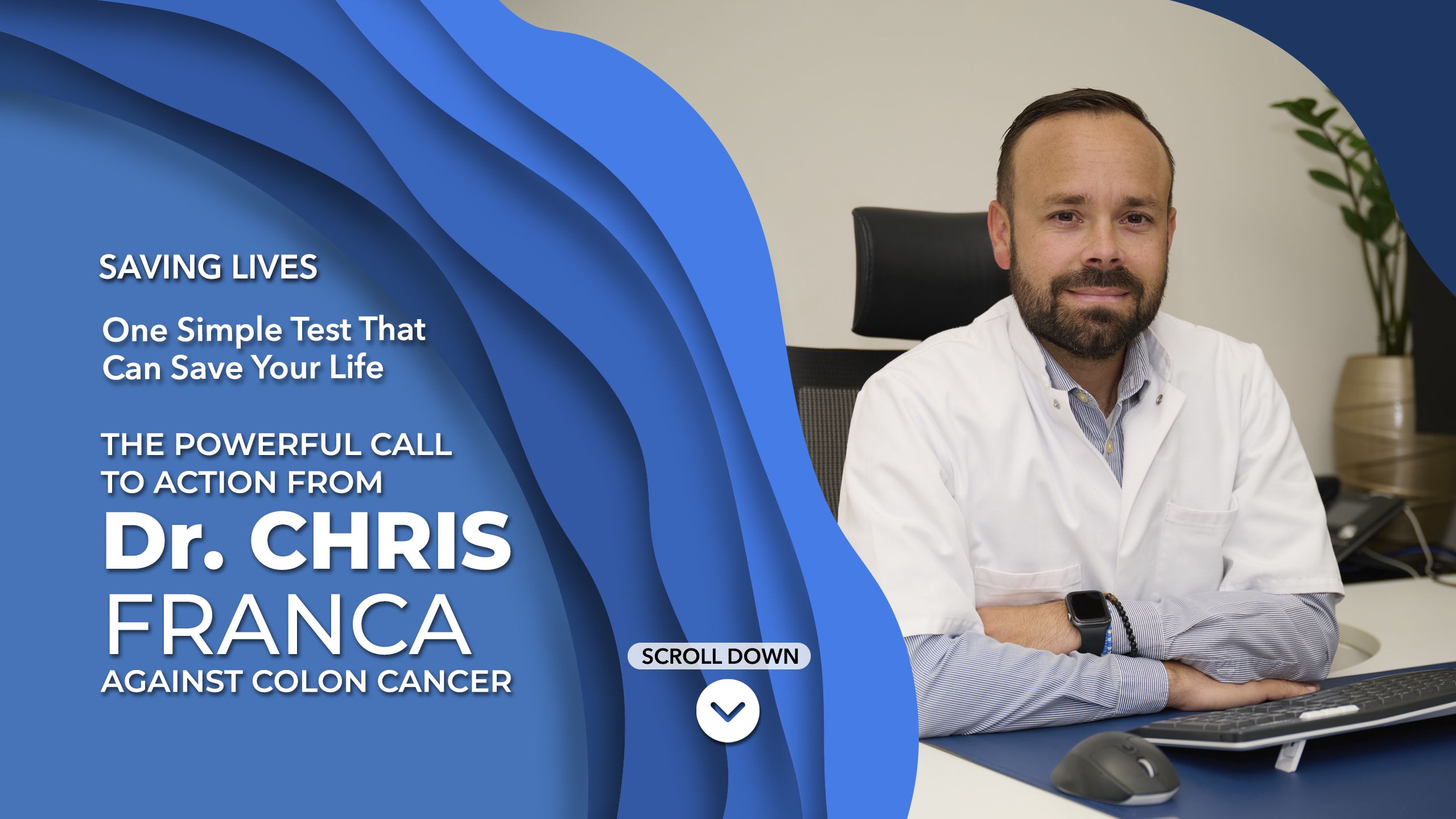




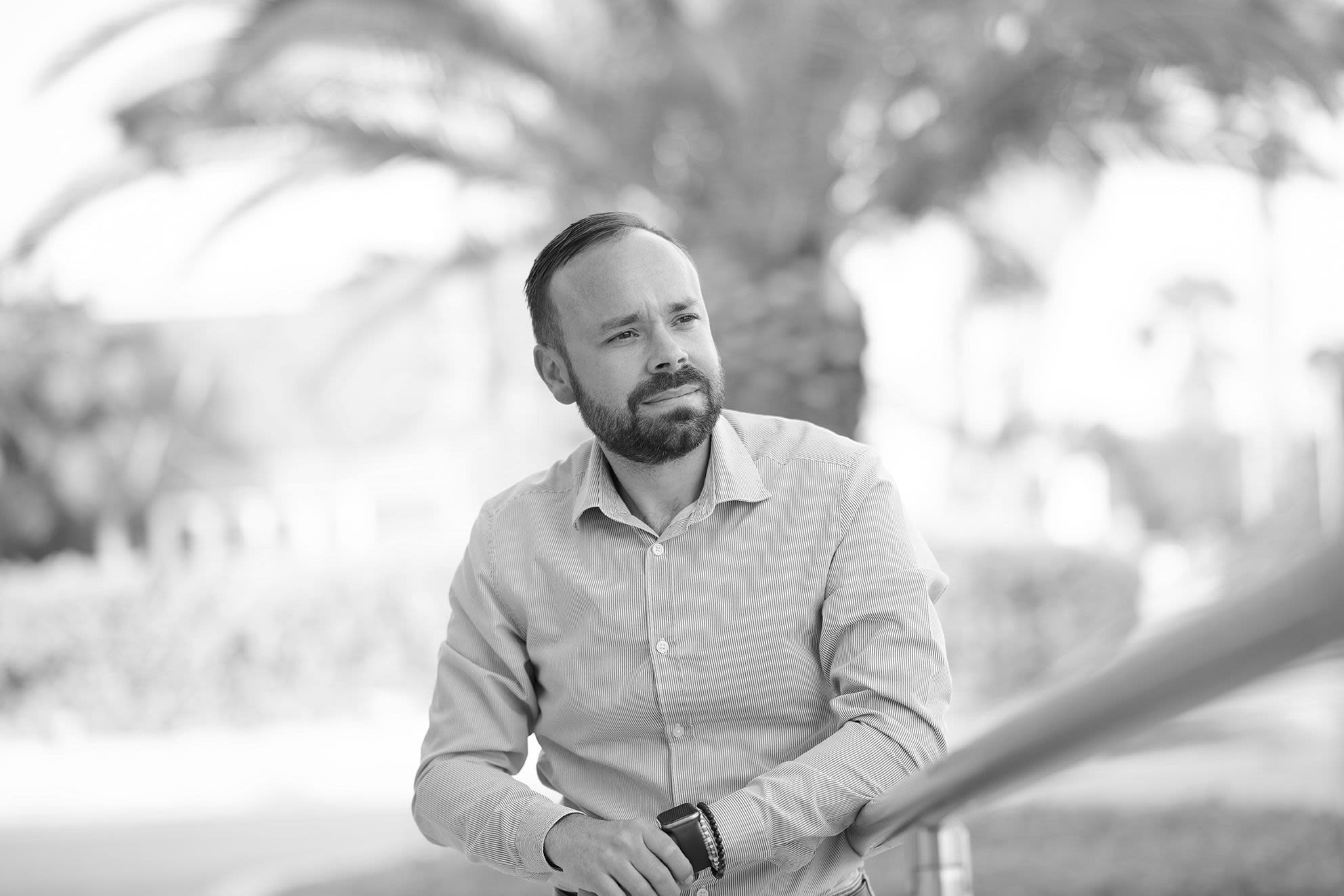


What if one simple test could save your life allowing you to continue enjoying your family, friends, sports, travel, and your biggest dreams? That’s the question Dr. Chris Franca, Aruba’s leading gastroenterologist, wants everyone in our community to think about seriously.

As the driving force behind CORESA, the national colon cancer screening initiative in Aruba, he is not only diagnosing and/or treating disease, but also launching a new movement to change how we view the real meaning of prevention. His message is simple, yet urgent: Do your test. Do it today.

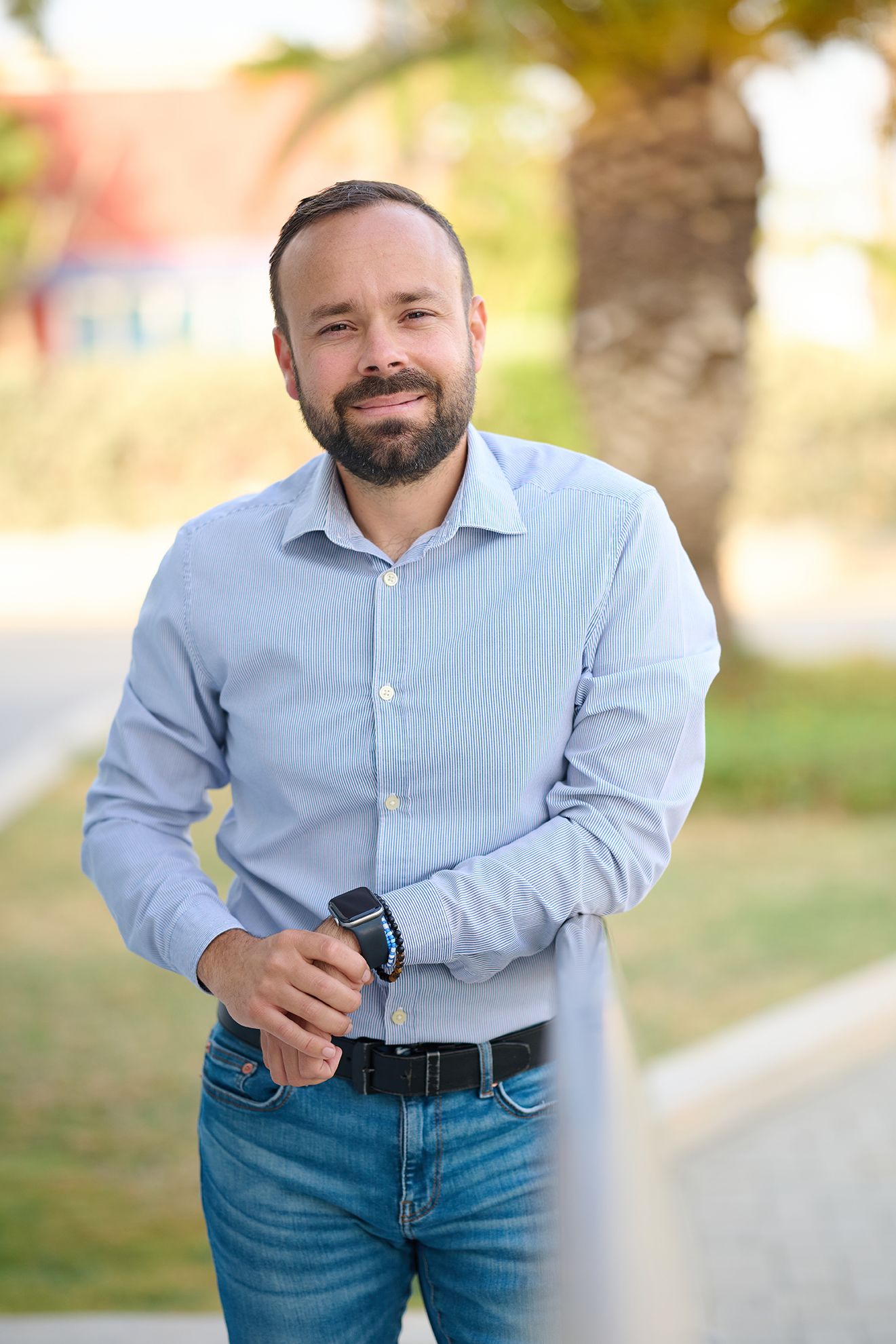
Dr. Franca
Dr. Franca


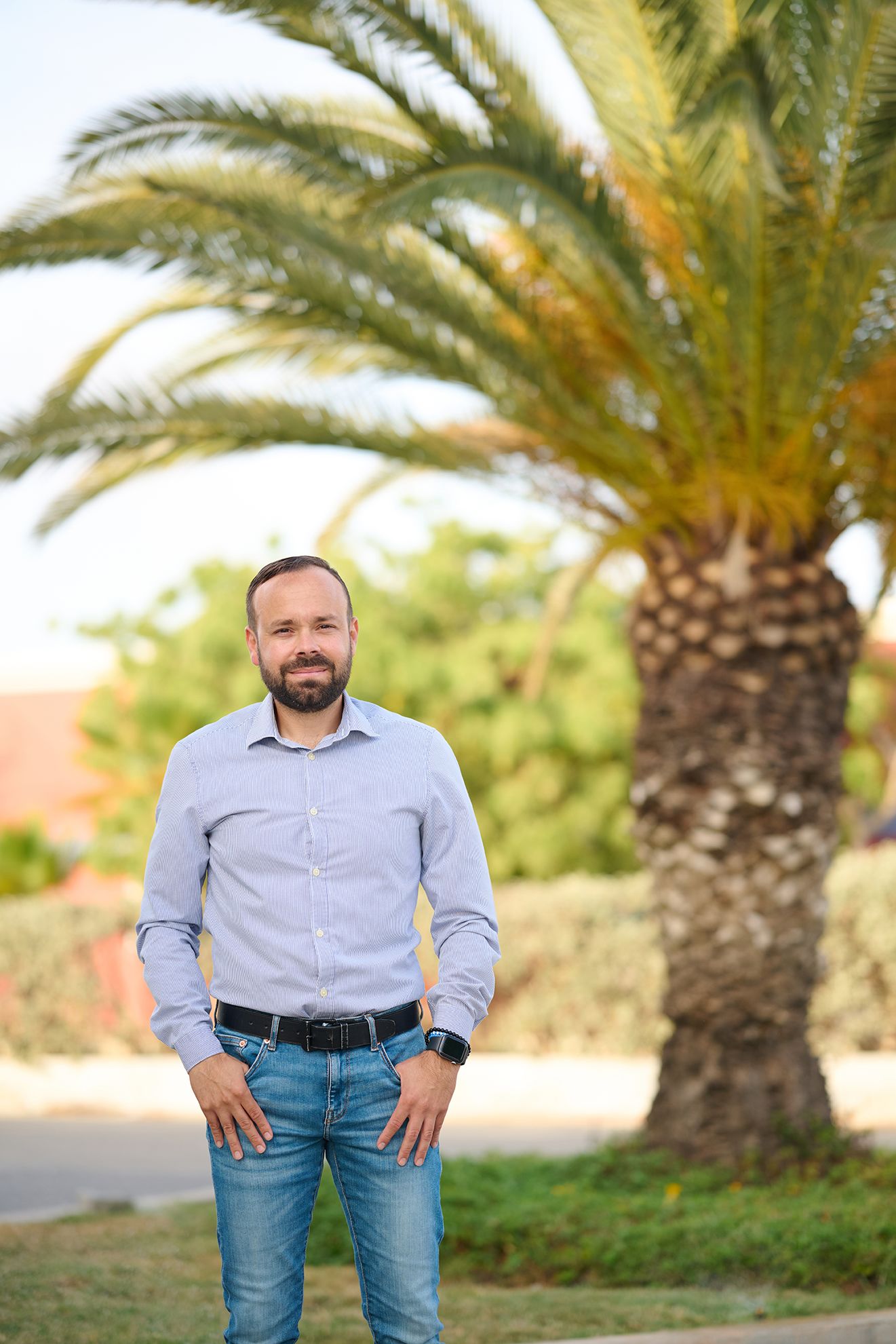
Dr. Franca’s path to becoming a gastroenterologist started with recognizing the major impact digestive health has on overall wellness. “This specialty combines clinical care, advanced techniques like endoscopy, and preventive strategies that save lives,” he explains. “Especially in cases like colon and liver cancer, prevention can be the difference between life and death.”

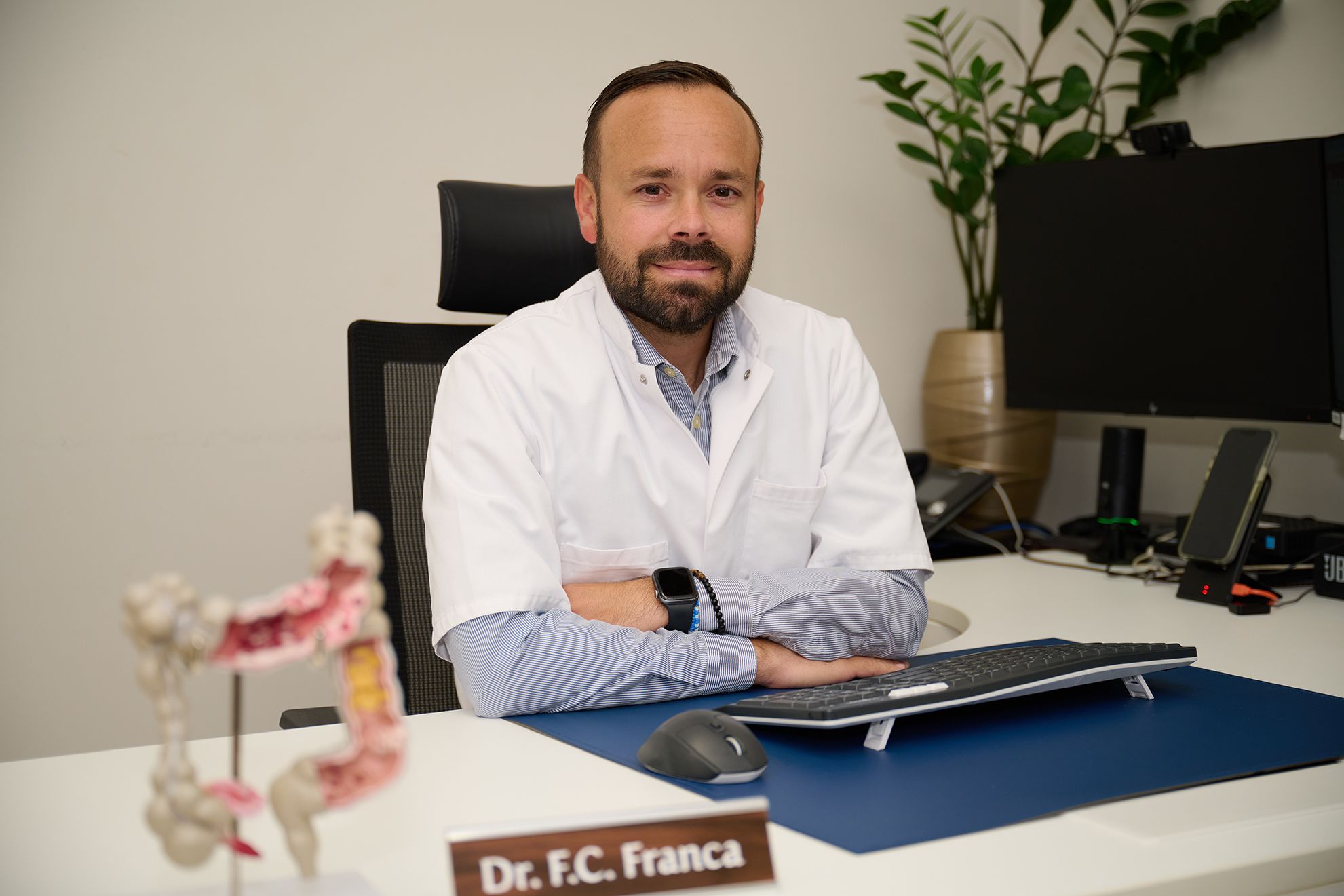
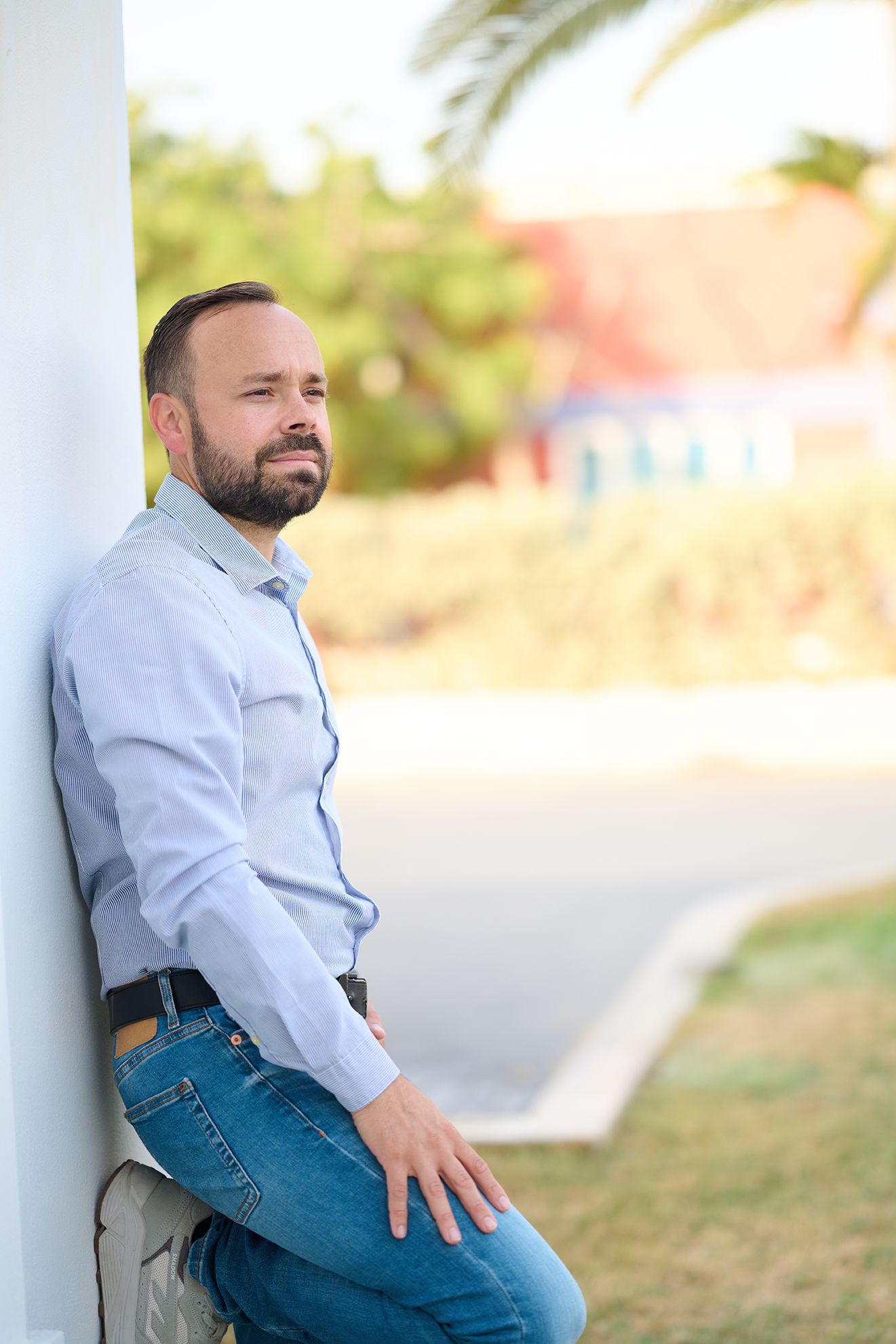
For Dr. Franca, being a doctor goes beyond clinical duties. It’s a leadership role, one he embraces with deep responsibility. “I see myself as a proactive leader. I believe in leading by example, promoting prevention, raising awareness in our community about disease and early detection, and implementing systems that can truly improve public health in Aruba.”

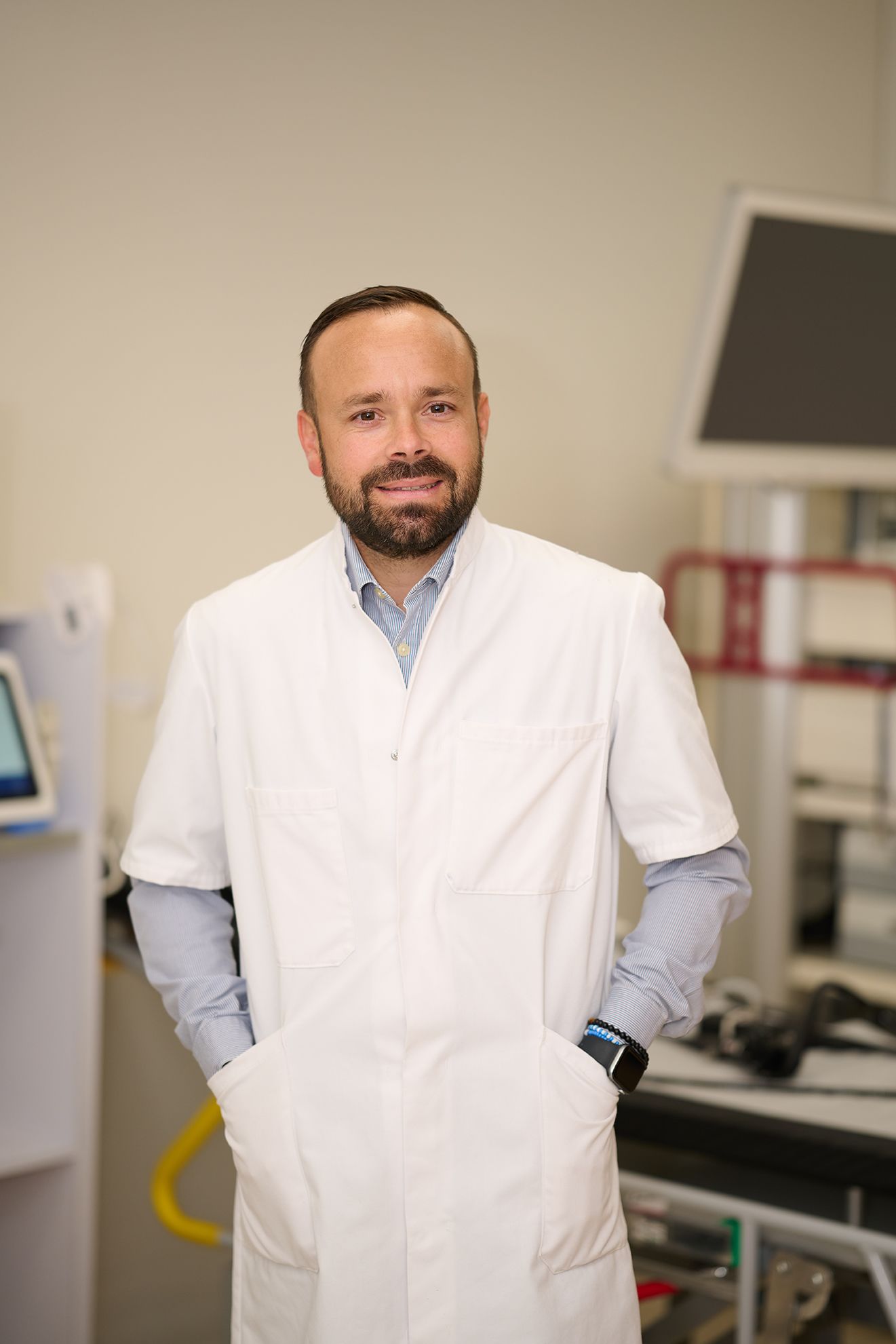
Dr. FRANCA
Dr. FRANCA

Founded with one clear goal to reduce the incidence and mortality of colorectal cancer in Aruba CORESA is grounded in education, organized screening, scientific research, and early detection.
After years of preparation, CORESA officially launched its national screening program in March/April with support from national and international partners.
A critical part of the program’s growth has been the collaboration with Stichting ABO, a foundation that has helped expand and professionalize the reach of the screening effort. “We now have a structured plan and a clear path toward scaling up in 2025,” Dr. Franca says.




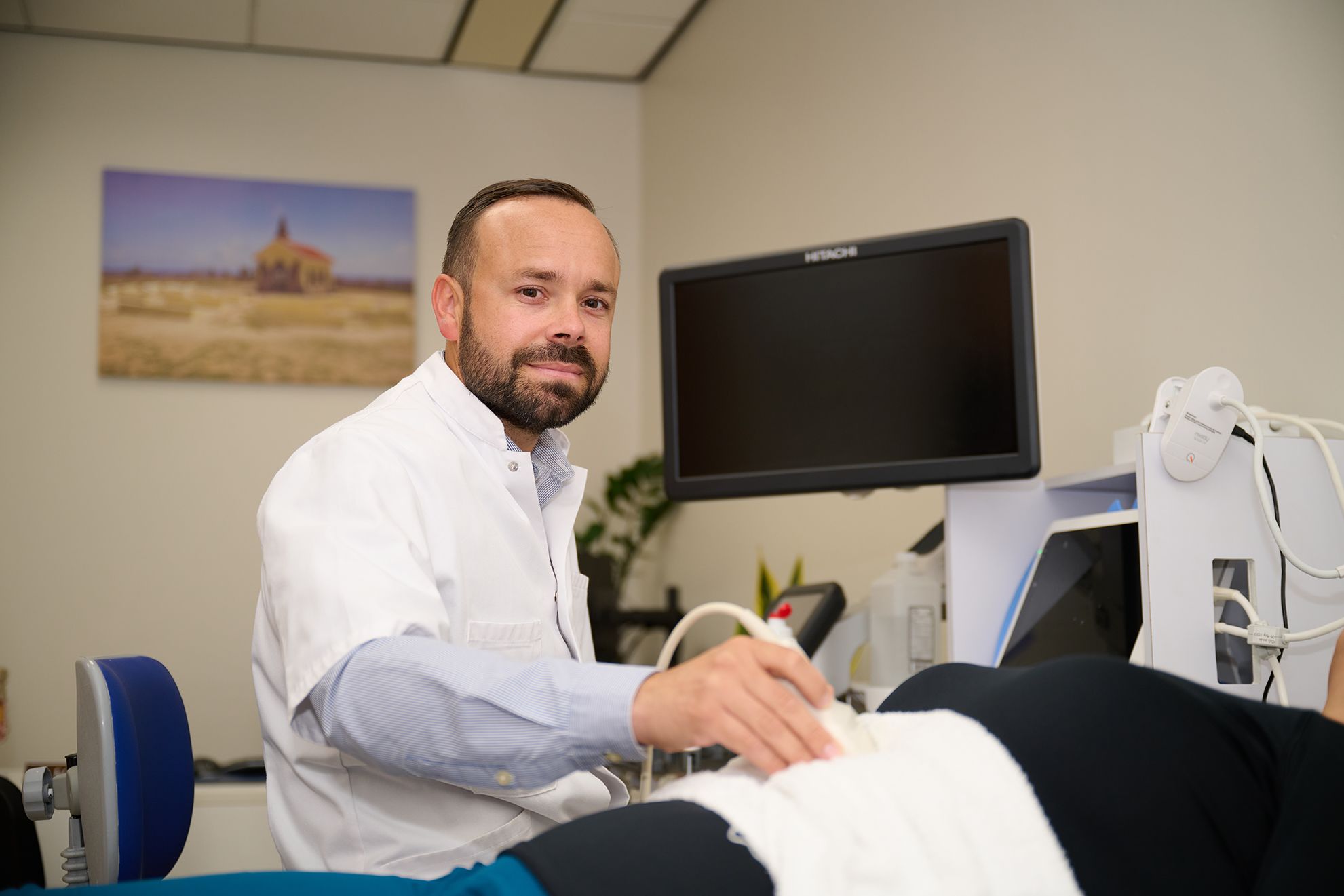


Colorectal cancer is one of the leading causes of cancer-related deaths on the island and it’s on the rise. Not only are more cases being detected, but they are being diagnosed at later stages and in younger patients. “We are now seeing cases in people under 50, even as young as 21. That’s deeply concerning,” he warns. And despite this growing threat, awareness remains too low. “There’s still a taboo,” Dr. Franca admits. “People delay their checkups, underestimate their risk, and some still believe that a positive test automatically means cancer. It doesn’t.”






So how does screening work? It starts with a simple FIT-test, a stool-based test that can be done at home non-invasive, quick, and effective. If the test is positive, a follow-up colonoscopy is performed. Dr. Franca reassures the public: “Colonoscopy is safe. It’s not painful or dangerous, despite the myths. And only about 3% of positive FIT-tests result in early-stage cancer findings.” If adopted widely, this program could save hundreds of lives over the next few years. And it could reduce healthcare costs significantly. “Treating early is not only more effective, but much less expensive than treating advanced disease. The data proves it,” he adds.


Anyone between the ages of 45 and 75, even without family history or symptoms, is encouraged to participate. Patients will be invited based on birthdate, but anyone interested can contact Stichting ABO directly. Family doctors can also recommend screening based on symptoms or test results. The technology used is up-to-date and internationally validated. Aruba’s health system is now equipped with modern endoscopic machines and trained professionals. “We follow national and international guidelines. The system is solid—what’s needed now is participation,” Dr. Franca says.



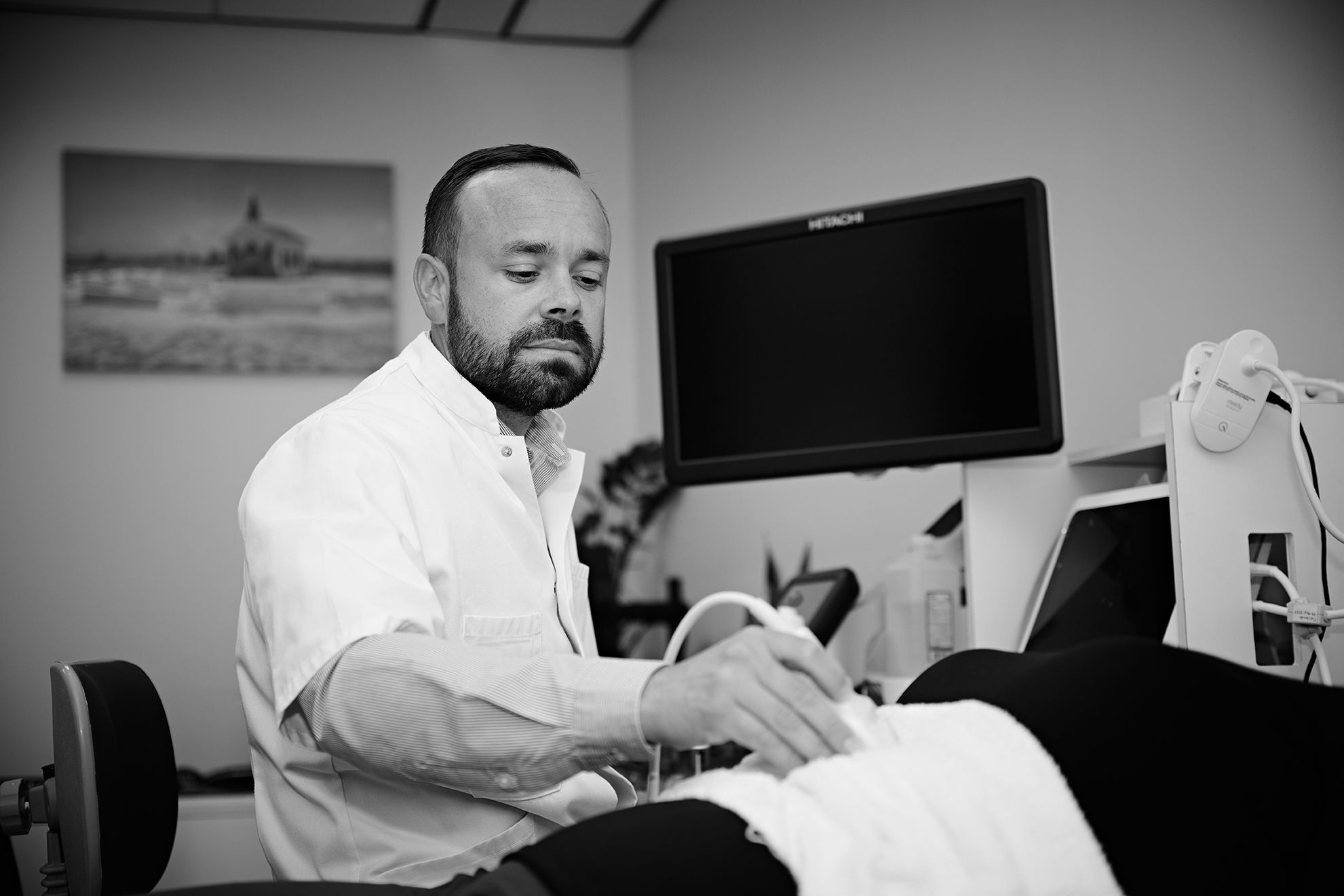


Un di e pashentnan di mas hoben di One of Dr. Franca’s youngest patients, just 21 years old, was diagnosed after presenting with rectal bleeding. “We don’t expect cancer at that age, but it happens,” he shares. Another patient, symptom-free but with a family history, was screened almost by coincidence. A tumor was discovered early enough to be removed, and the patient is now cancer-free. “These are just two of many stories. Every day, I see the difference early detection makes. And every case reminds me why we must keep pushing forward.”
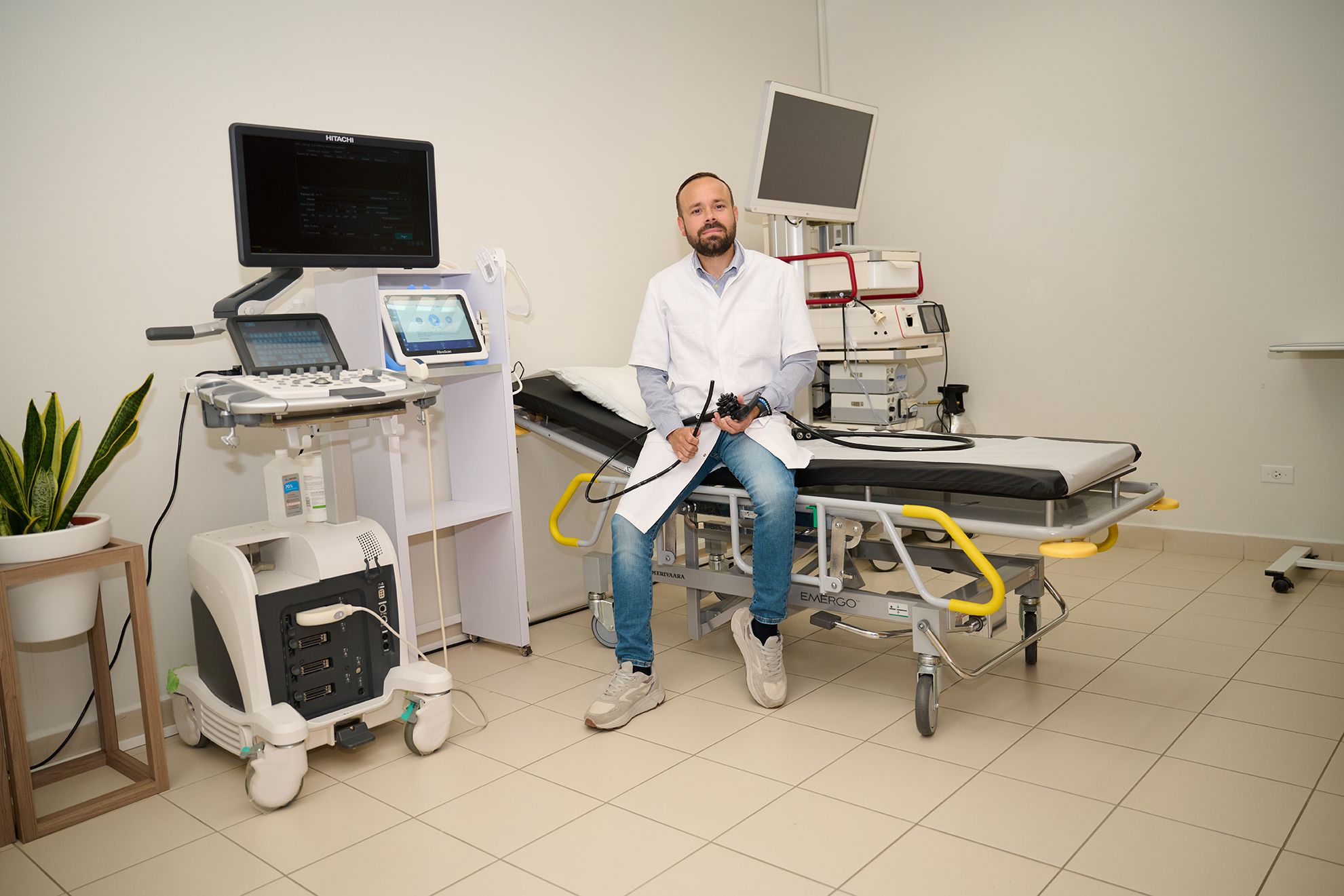


So what’s standing in the way? According to Dr. Franca, it’s fear, stigma, and lack of information. That’s why CORESA and ABO are making the process as accessible as possible clear instructions, personal guidance from case managers, and approachable communication are all part of the plan.
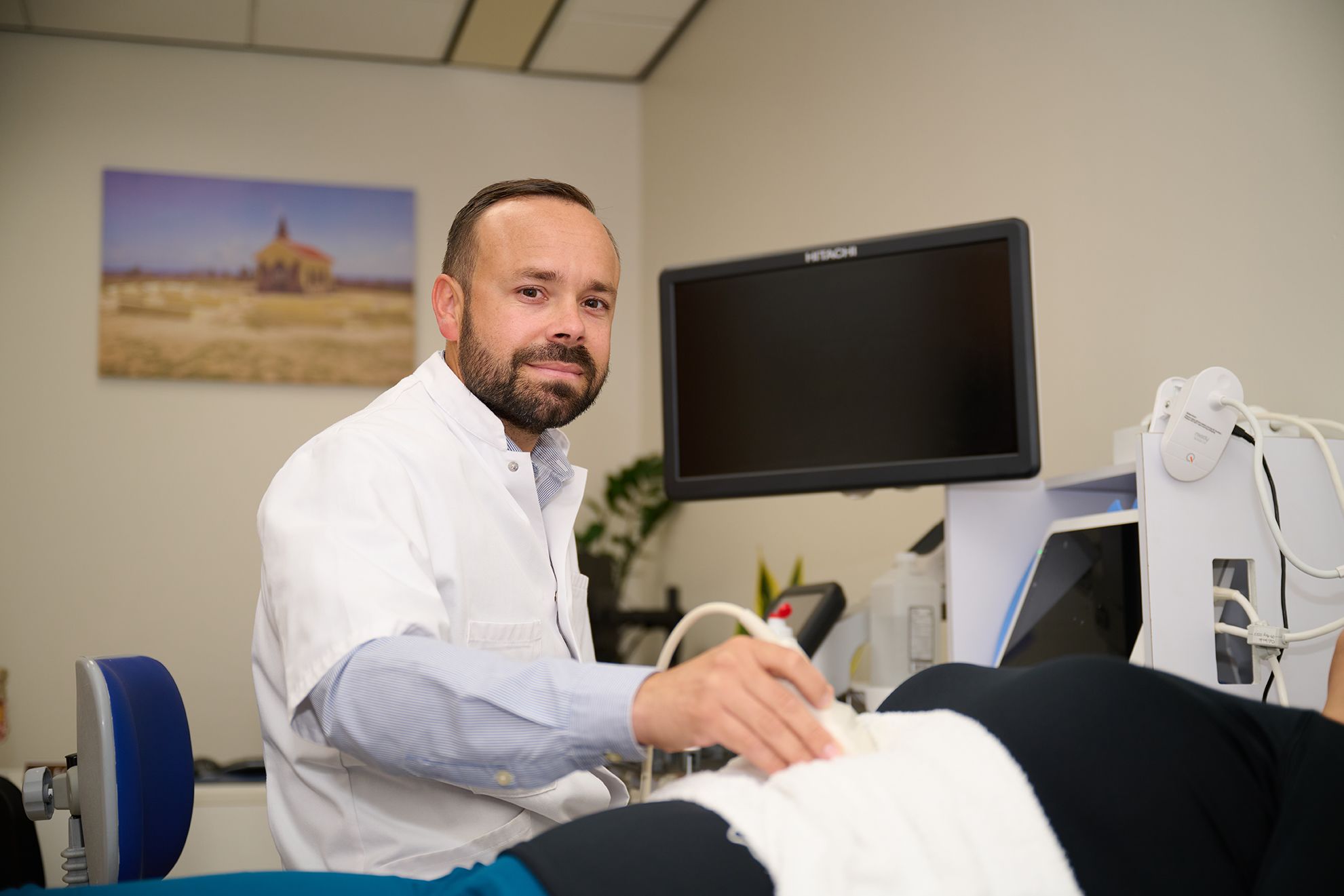




Dr. Franca; ends with a message that’s both personal and powerful: “Take care of yourself and your loved ones. Participate in the screening program. A simple test can save your life. Prevention is our best weapon against colorectal cancer.”
This isn’t just a health initiative. It’s a community effort. It’s a choice between action and silence. And it starts with one small step. Are you ready to take it?




 Built with Shorthand